
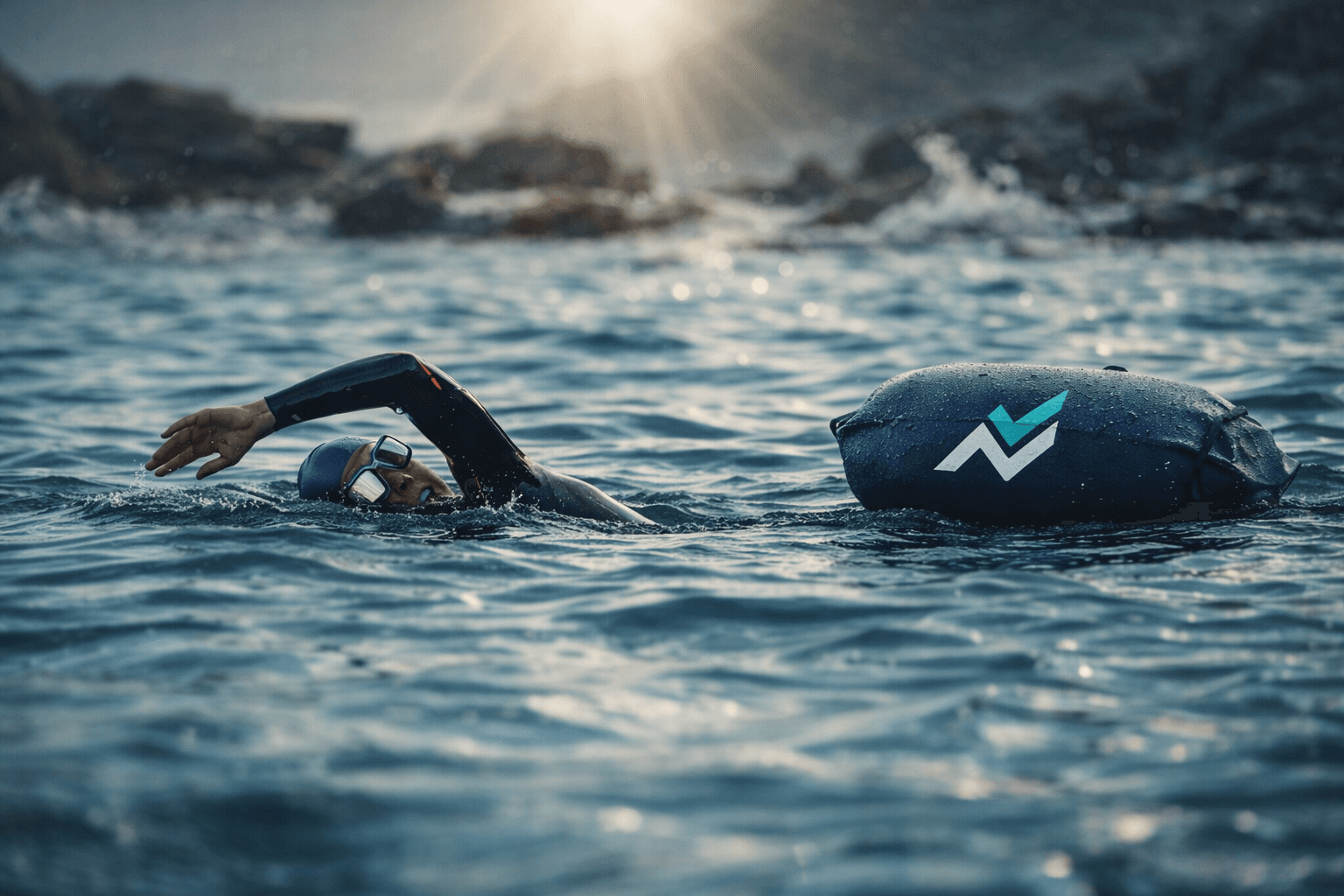
Swimming-Induced Pulmonary Edema (SIPE): Understanding One of the Most Dangerous Risks in Triathlon Swimming
Understanding One of the Most Dangerous Risks in the Triathlon Swim
In triathlon, the swim leg is often viewed as the “shortest,” “simplest,” and “something you just need to get through.”
However, medical evidence and race safety statistics tell a very different story: the swim leg is the most dangerous segment of a triathlon.
Cardiac-related events remain the leading cause of death in triathlon, and the majority of these incidents occur during the swim—a phase in which the athlete’s cardiovascular, respiratory, and autonomic systems have not yet fully stabilized.
According to international race safety data compiled across major triathlon events:
The overall mortality rate in triathlon is approximately 1 in 76,000 participants
More than 72% of triathlon-related deaths occur during the swim leg
Most cases are linked to acute cardiac events
A significant proportion are associated with a lesser-known but extremely dangerous condition:
Swimming-Induced Pulmonary Edema (SIPE)
What makes SIPE particularly concerning is that it does not only affect inexperienced or unfit athletes. Many documented cases involve well-trained, experienced triathletes with strong fitness backgrounds.
What Is SIPE?
Swimming-Induced Pulmonary Edema (SIPE) is a medical condition in which fluid leaks from the pulmonary blood vessels into the alveoli, impairing the lungs’ ability to exchange oxygen during swimming.
Unlike drowning caused by water aspiration, SIPE can occur even when the athlete has not inhaled water.
Athletes experiencing SIPE may still be afloat and moving, but suddenly develop:
Acute shortness of breath
Chest tightness or pressure
Persistent coughing
In some cases, pink, frothy or blood-tinged sputum
Without timely assistance or a safe return to shore, secondary drowning becomes a serious risk.
The Physiological Mechanism Behind SIPE
To understand SIPE, it is essential to examine what happens in the body during the opening minutes of the swim leg.
1. Sudden Cardiovascular Stress
At the start of the swim—particularly on race day:
Heart rate rises rapidly
Blood pressure increases
Stress hormones surge
Pulmonary circulation experiences an abrupt increase in load
Cold water immersion further shifts blood centrally, increasing venous return and placing additional stress on the heart and lungs.
2. Elevated Pulmonary Vascular Pressure
This sudden rise in pulmonary artery pressure can overwhelm the capillary walls, leading to:
Capillary stress failure
Leakage of fluid into the alveoli
3. Impaired Gas Exchange
Once alveoli fill with fluid:
Oxygen diffusion is reduced
Breathing becomes labored
Panic responses may occur
Coughing reflexes intensify
Crucially, psychological panic often compounds the physiological crisis, accelerating deterioration.
Conditions That Increase SIPE Risk
Clinical research and triathlon incident reports consistently identify several contributing factors:
1. Cold Water Exposure
Cold water causes:
Peripheral vasoconstriction
Central blood pooling
Increased pulmonary pressures
This explains why SIPE is more frequently reported in races with low water temperatures.
2. High Intensity at Swim Start
Common race behaviors that elevate risk include:
Aggressive pacing in the first 100–200 meters
Fighting for position during mass starts
Elevated anxiety and sympathetic nervous system activation
The combination of psychological stress and maximal physical effort is a classic SIPE trigger.
3. Lack of Physiological Acclimation
Jumping into the water and immediately swimming hard:
Prevents cardiovascular adjustment
Limits pulmonary adaptation
Causes abrupt pressure spikes
4. Overly Tight Wetsuits
Excessive compression around the chest:
Restricts thoracic expansion
Increases breathing resistance
Amplifies respiratory distress
Why SIPE Is Especially Dangerous in Triathlon
SIPE is not only dangerous because of its pathology—but because of where and when it occurs.
It happens in water
Often far from shore
During high exertion
Sometimes without immediate assistance
An athlete experiencing SIPE who:
Panics
Tries to push through symptoms
Continues swimming aggressively
dramatically increases the risk of drowning.
SIPE Is Not a Sign of Weakness
One of the greatest barriers to prevention is misplaced confidence.
Many athletes believe:
“I’m fit enough”
“I’ve done many races”
“This won’t happen to me”
SIPE does not discriminate by:
Performance level
Experience
Training volume
It only requires the right physiological conditions at the wrong moment.
Gopeaks Coaching Strategies to Reduce SIPE Risk
At Gopeaks, SIPE is not treated as optional knowledge—it is mandatory safety education for all athletes training in open environments.
1. Gradual Acclimation
In cold water:
Enter slowly
Allow water inside the wetsuit
Take 30–60 seconds to stabilize breathing
2. Avoid Max Effort at the Start
Swim easy for the first 200–300 meters
Prioritize controlled breathing
Accept temporary position loss
In triathlon:
You don’t win the race in the first 200 meters,
but you can lose the entire race by underestimating the swim.
3. Early Symptom Recognition
Stop immediately and seek help if experiencing:
Unusual breathlessness
Persistent coughing
Chest pressure
Pink or frothy sputum
4. Psychological Permission to Stop
Stopping is not failure.
Stopping is a safety decision.
SIPE and a Culture of Safe Training
Triathlon is not about suffering at all costs.
It is a sport of:
Physiological awareness
Effort control
Intelligent decision-making
At GoPeaks, we believe:
A great athlete is not one who constantly exceeds limits,
but one who knows when not to.
Conclusion: Safety Is the Foundation of Progress
SIPE is real.
The statistics are real.
The risk is real.
But this does not mean you should fear swimming.
When athletes:
Understand the condition
Prepare correctly
Control early intensity
swimming in natural environments becomes safe, powerful, and rewarding.
Safety does not slow you down.
Safety keeps you in the race.
Gopeaks
Train smart. Race safe. Go further.