
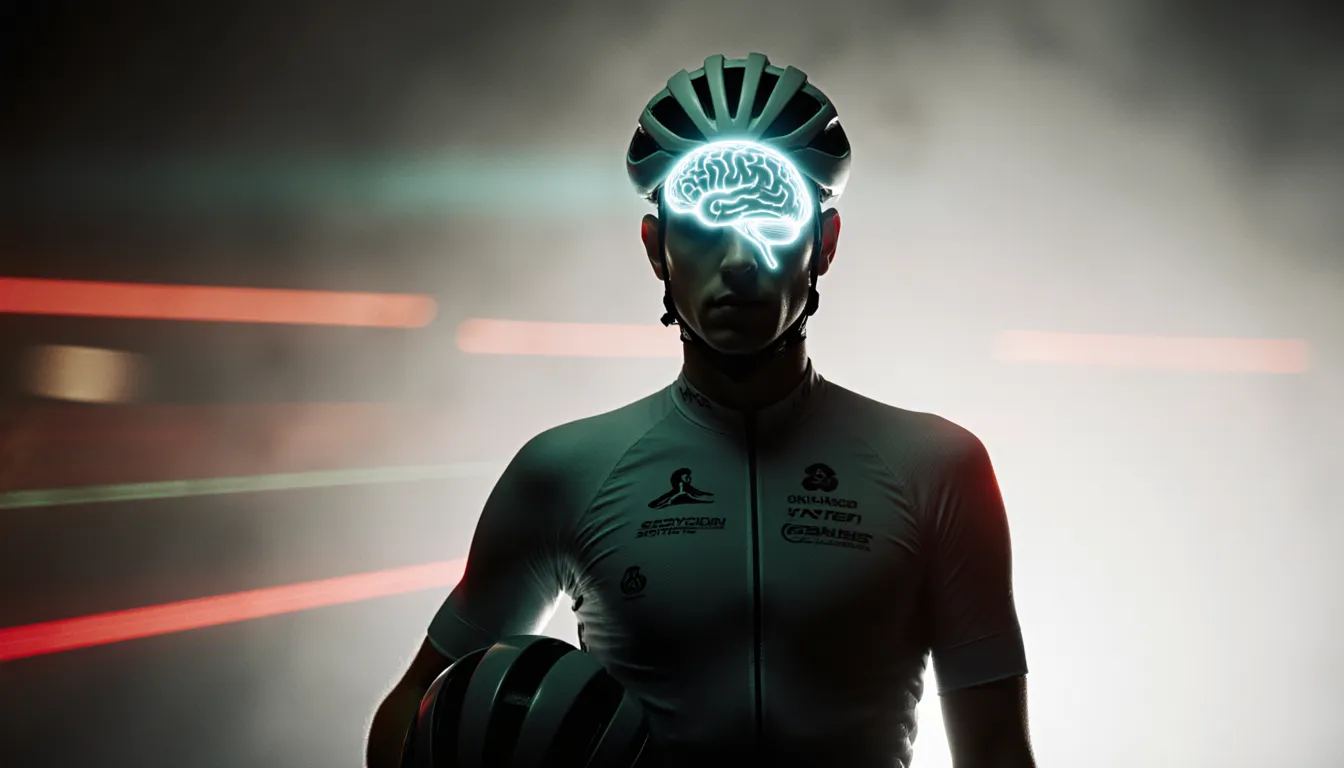
Concussion in Sports: Symptoms, Recovery, and When to Return to Training
Concussion in Sports: What Athletes Must Not Ignore
In sports such as cycling, triathlon, trail running, and football, concussion is a real risk. The danger isn’t just the fall itself — it’s underestimating the injury and returning to training too soon.
A concussion is a mild traumatic brain injury (TBI). The brain is shaken inside the skull, disrupting metabolic and chemical processes in nerve cells. It is a functional injury, not something visible like a broken bone.
Importantly, a direct blow to the head is not required. A hard fall, body impact, or whiplash motion can also cause concussion.
Common Symptoms of Concussion
After a crash or collision, watch for:
Headache
Dizziness
Confusion
Nausea
Blurred vision
Light sensitivity
Balance problems
Reduced concentration
If these symptoms appear, stop activity immediately and seek medical evaluation.
Why You Should Not Return Too Soon
1. Second Impact Syndrome
If a second concussion occurs before full recovery, the risk of severe brain swelling increases dramatically. This condition can cause permanent neurological damage.
No race is worth risking your brain health.
2. Increased Risk of Further Injury
After concussion:
Reaction time slows
Decision-making declines
Balance is impaired
Motor control decreases
This is especially dangerous in group cycling or technical terrain.
How to Recover Properly
Controlled Rest
For the first 48–72 hours:
Limit screen exposure
Avoid loud environments
Prioritize sleep
However, complete inactivity for weeks is not recommended.
Strategic Light Exercise
After the acute phase, light controlled exercise can:
Increase cerebral blood flow
Improve metabolism
Stabilize mood
Safe activities include:
Light walking
Low-intensity indoor cycling
Avoid high intensity or competition.
Nutrition for Brain Recovery
Prioritize:
Blueberries
Fatty fish (omega-3)
Leafy greens
Green tea
Walnuts
Omega-3 fatty acids help reduce inflammation and support neuronal repair.
Reduce Nervous System Stress
Sleep, meditation, and gentle yoga support recovery. Gradual reintroduction of work and screen time should be symptom-guided.
When Can You Return to Sport?
Only return when:
Completely symptom-free
No medication required
Normal daily activities tolerated
Cleared by a physician
Return-to-play should follow a gradual progression with increasing intensity.
If symptoms return → step back.
Final Thoughts
Sports concussion is serious but manageable with the right approach.
Respecting the recovery process doesn’t make you weaker.
It allows you to return stronger — and for the long term.