
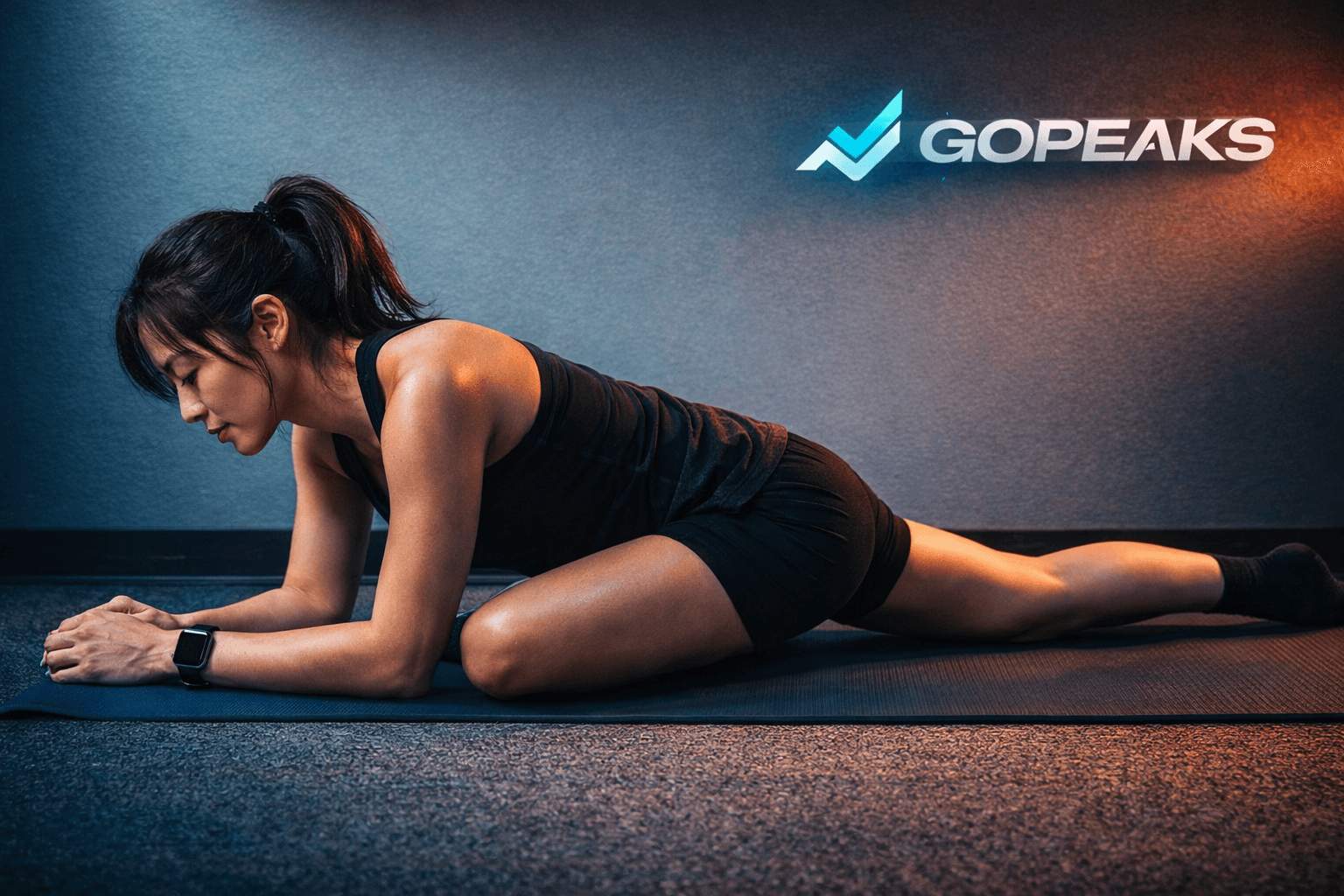
How to Keep Your Knees Healthy While Cycling
Biomechanics, Injury Mechanisms, and Comprehensive Prevention Strategies
Keywords: cycling knee pain, patellofemoral pain, IT band friction syndrome, bike fit, gluteus medius, cadence, FTP performance, cycling injury prevention
Cycling is considered a low-impact sport. There is no ground reaction force like in running. There is no repeated landing with full body weight. Yet paradoxically, knee pain remains one of the most common injuries among cyclists—especially early in the season or during sudden load increases.
The issue is not impact.
The issue is repetitive load + faulty muscle activation patterns + long-term imbalance.
At 90 rpm, a cyclist performs more than 5,000 knee revolutions per hour. Over a 10-hour training week, that exceeds 50,000 flexion–extension cycles. If the patella deviates even slightly in those cycles, or if one muscle group compensates for another, injury becomes a matter of timing—not possibility.
This article explores:
Knee biomechanics in cycling
Muscle imbalance and neuromuscular reprogramming
Common cycling knee injuries
The relationship between hip–foot–bike position
Evidence-based prevention strategies
A 10–15 minute knee protection routine
The goal is not just pain relief.
The goal is building a movement system that sustains performance for years.
1. Knee Biomechanics in Cycling
The knee is a modified hinge joint. It primarily performs flexion and extension but allows slight rotational movement, especially at higher flexion angles.
During cycling:
Power phase (12–6 o’clock):
Hip extension (gluteus maximus)
Knee extension (quadriceps)
Force transfer to the pedal
Recovery phase (6–12 o’clock):
Knee flexion (hamstrings)
Hip flexion
Primary muscles involved:
Quadriceps
Gluteus maximus
Gluteus medius
Hamstrings
Gastrocnemius
The knee is not built for independent stability. It depends on:
Hip stability
Foot alignment
Balanced quadriceps force
The patella tracks within the femoral groove. If lateral forces dominate (vastus lateralis overpowering vastus medialis), deviation occurs.
Even a 1–2 mm deviation repeated 50,000 times per week leads to inflammation.
2. Neuromuscular Reprogramming and Muscle Imbalance
The body seeks efficiency. When gluteus medius is weak, compensation occurs through:
Tensor fascia lata
IT band
Vastus lateralis
This allows continued riding but reinforces faulty mechanics.
Over time:
Neuromuscular reprogramming
Muscle dominance imbalance
Increased joint compression
Soft tissue inflammation
Pain is cumulative—not sudden.
3. Common Cycling Knee Injuries
Patellar Tendinitis
Caused by:
Sudden load increases
Low cadence
Early big gear work
Excessive climbing
Symptoms:
Anterior knee pain
Worse during climbing
Patellofemoral Pain Syndrome
Caused by:
Tight quadriceps
Weak vastus medialis
Poor patellar tracking
IT Band Friction Syndrome
Characterized by lateral knee pain due to:
Tight IT band
Weak hip stabilizers
Incorrect saddle height
Pes Anserine Bursitis
Medial knee pain linked to:
Hamstring tightness
Saddle too high
4. Bike Fit: A Decisive Factor
Incorrect saddle height, cleat position, stance width, or foot support alters muscle recruitment.
Goals:
Neutral knee tracking without medial collapse.
5. The Central Role of the Hip
Gluteus medius stabilizes the pelvis and prevents medial knee collapse.
Weakness here leads to:
Pelvic tilt
IT band tension
Patellar deviation
Prevention begins at the hip.
6. Comprehensive Prevention Strategy
Increase load ≤10% weekly
Maintain higher cadence in base season
Allocate 10–20% training time to mobility & stability
Strategic foam rolling
Keep ligaments warm in cold conditions
7. 10–15 Minute Knee Protection Routine
Side-lying clam
Standing quad strengthener
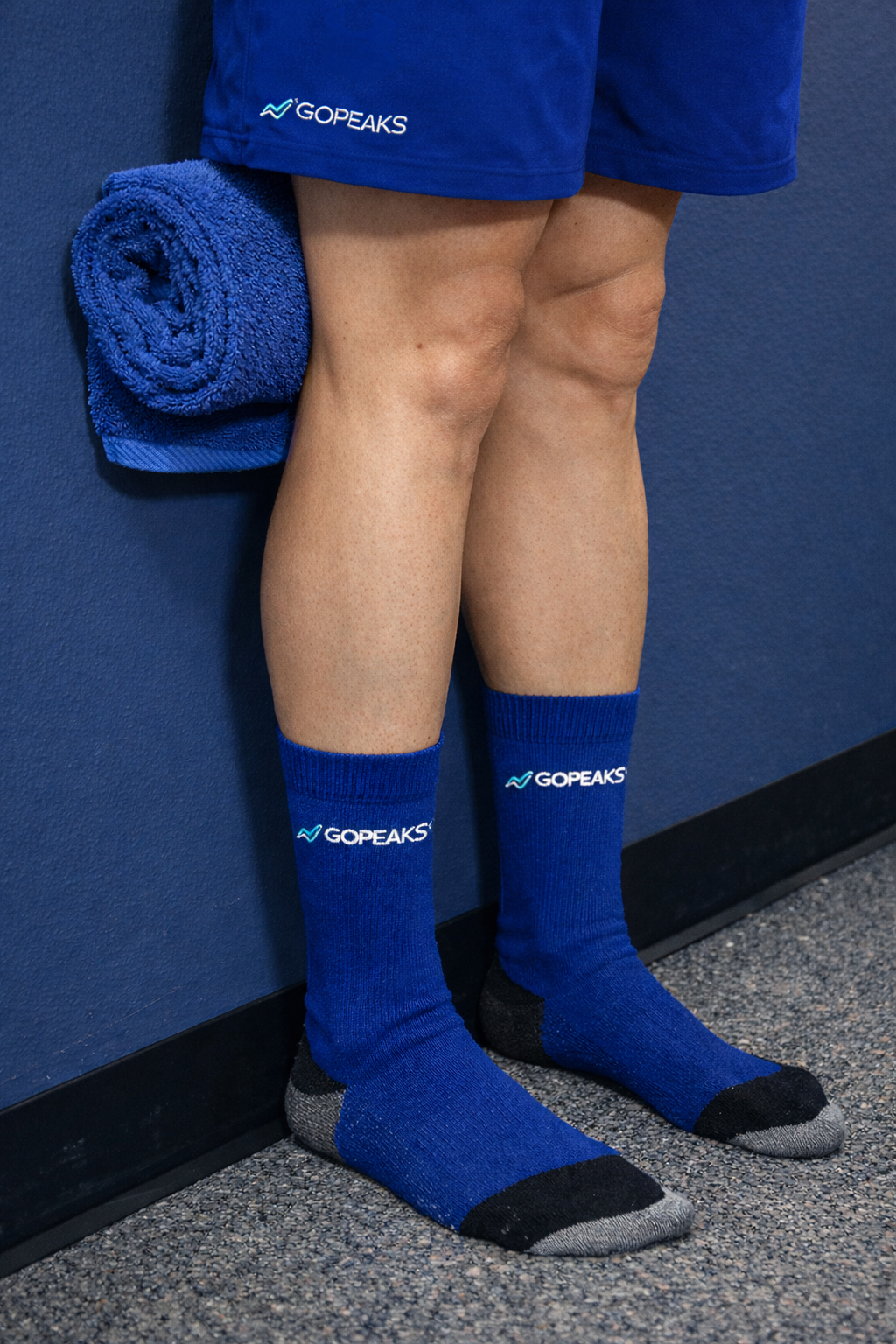
Piriformis roll
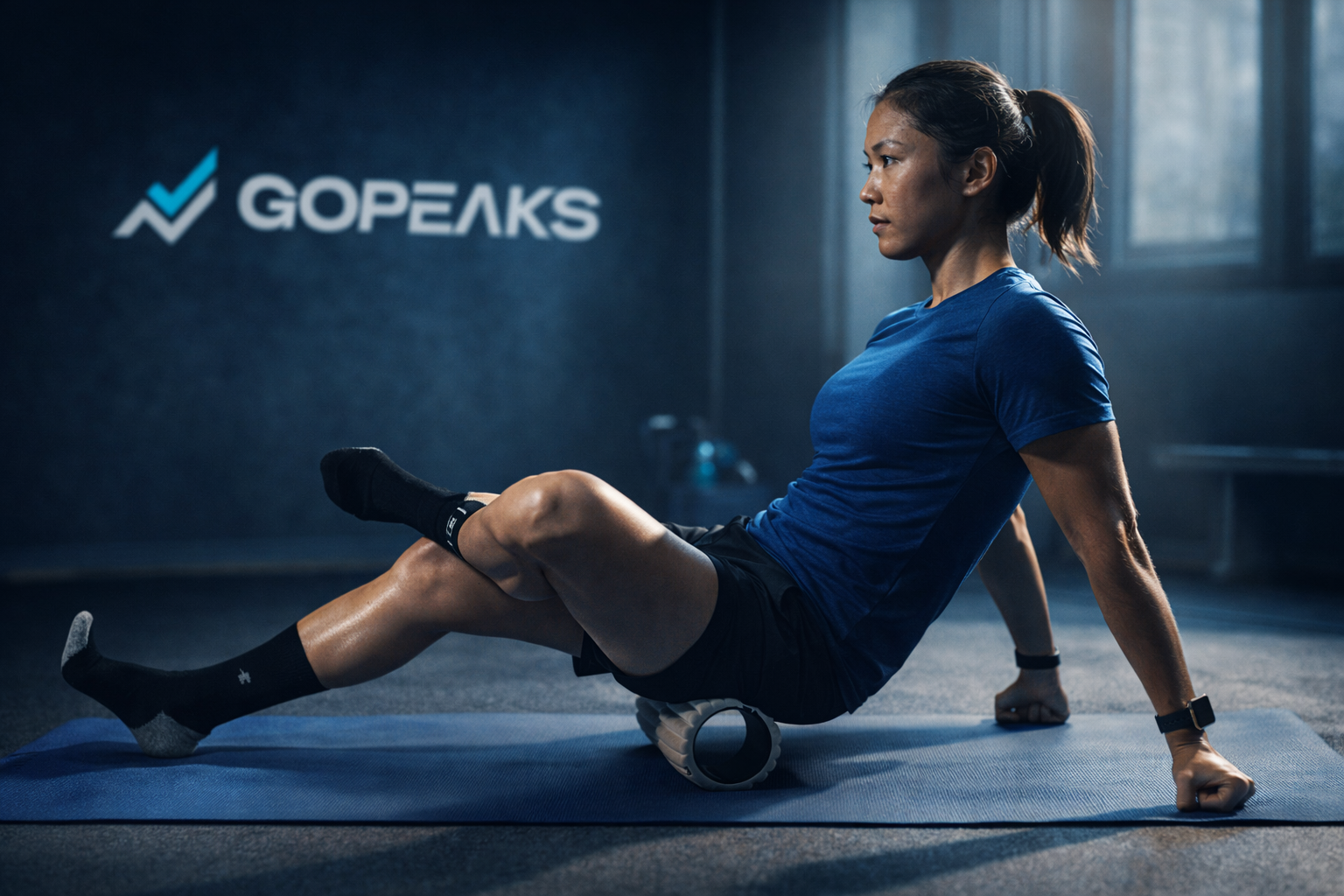
IT band roll
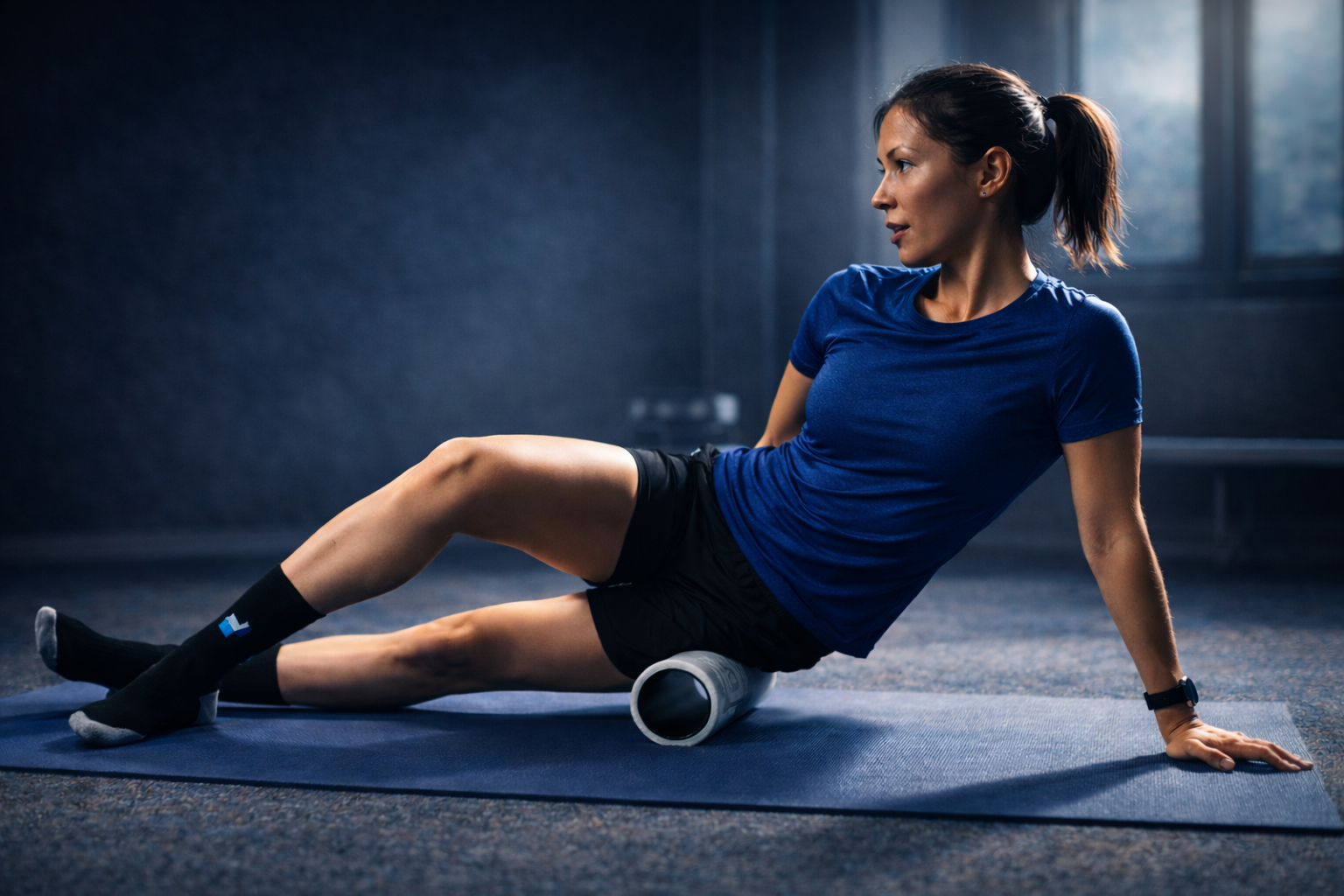
Pigeon stretch
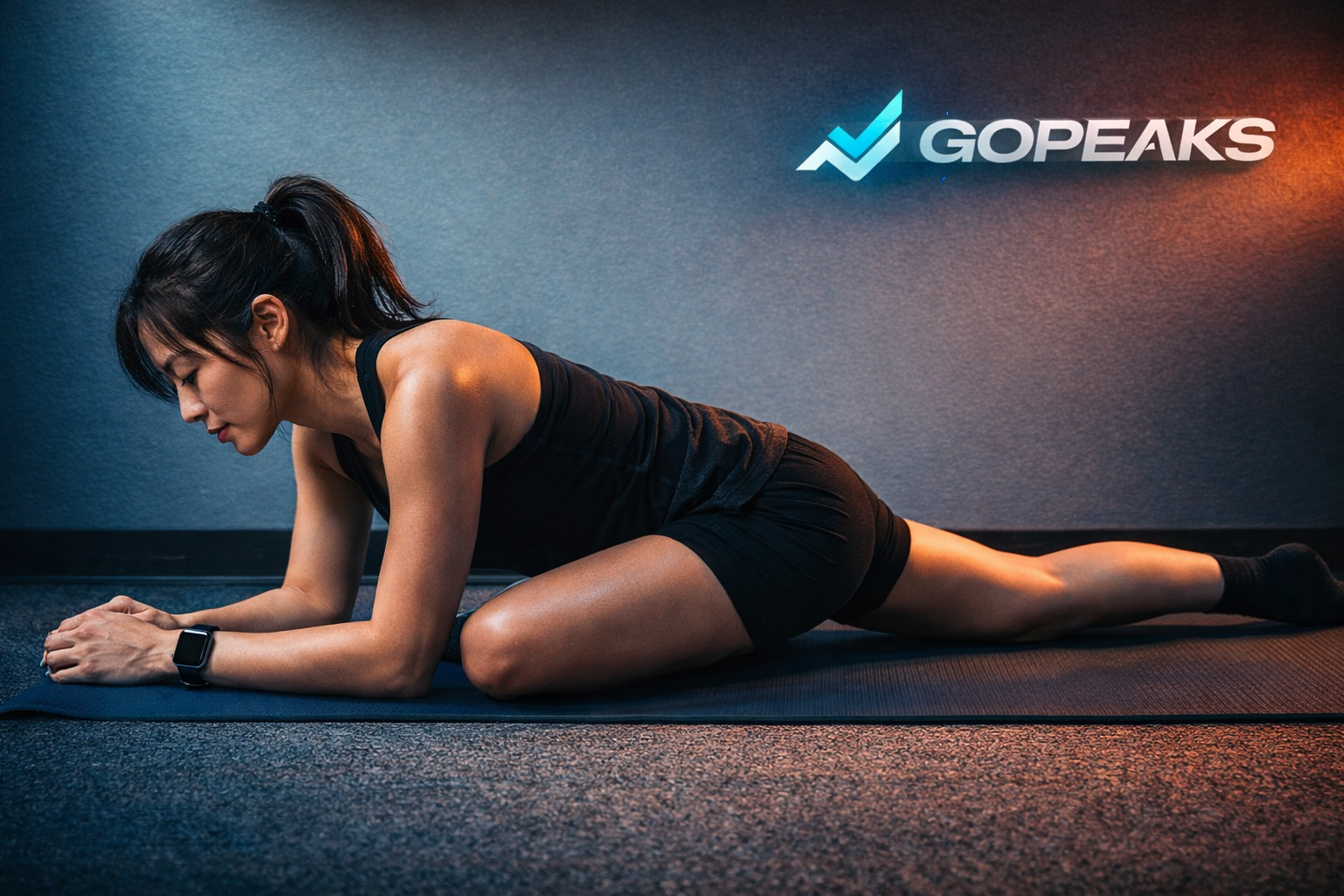
Hip flexor stretch
IT band stretch
2–3 sessions per week.
8. When to Stop
Stop if pain is sharp, worsening, or bilateral.
Apply ice, reduce load, reassess bike fit.
9. Long-Term Perspective
Peak power may come in 2–3 years.
Movement durability takes 5–10.
Want higher FTP? Stronger climbing? Decade-long performance?
Start with stability.
Conclusion
Cycling knee pain is not about impact.
It results from:
Muscle imbalance
Faulty recruitment
Sudden load increases
Poor bike fit
Neglecting supplemental training
Just 10–15 minutes several times per week can dramatically change your injury trajectory.
High performance does not come from training more.
It comes from moving better.
Keep your knees healthy to keep progressing—season after season.